
Peripheral Arterial Disease Care
Restore healthy circulation and protect your legs and feet with accurate diagnosis and personalized PAD treatment.

What You Need to Know About PAD
Understanding peripheral arterial disease and why early diagnosis matters.
Understanding Peripheral Arterial Disease
Peripheral arterial disease (PAD) is a circulation problem that causes narrowed arteries. Narrow arteries reduce blood flow to your arms or legs. It’s often a sign of fatty deposit buildup in your arteries.
If one or both of your legs have pain, numbness, or other symptoms, you shouldn’t dismiss them as a normal part of aging. These symptoms could mean you have a circulation problem called peripheral arterial disease that requires medical treatment. Conditions like peripheral vascular disease and PAD have been on the rise in recent years and are typically associated with other conditions, such as cardiac disease, renal disease, hypertension, and diabetes.
It is possible to have peripheral artery disease without symptoms. If you do have symptoms, they may include feeling cold in the lower leg or foot, pain and cramping in the hips, thighs, or calf muscles after physical activity, leg weakness or numbness, sores on your feet or legs that won’t heal, discolored legs, slower hair or toenail growth, and a weak pulse in the legs or feet. Men with PAD may also experience erectile dysfunction.
If peripheral artery disease progresses, you may start to experience pain even when you’re not moving around. Pain may even be severe enough to wake you up at night. If you notice any of these symptoms, call the nearest Advanced Foot and Ankle Center or schedule an appointment online today.
PAD Diagnosis and Treatment
Advanced Foot and Ankle Center uses advanced technology to diagnose peripheral arterial disease. The QuantaFlo PAD test is a noninvasive procedure that accurately measures blood flow in your arms and legs. A sensor is placed on a toe on your right foot and then your left, and repeated on your right and left fingers to compare readings.
There is no pain or discomfort during the QuantaFlo test and it only takes about 10 minutes. When complete, the software analyzes blood circulation in your body and compares differences in blood flow between your arms and legs. The QuantaFlo PAD test allows the team to accurately diagnose peripheral arterial disease and develop customized treatment plans to recover.
Diagnostic vascular testing proves to be necessary to treat several disorders. For example, complete vascular testing is useful in treating high-risk diabetic patients to prevent complications from poor circulation. Prevention is key, so early diagnosis and treatment of these disorders can help prevent future issues, like ulceration, gangrene, and amputation.
You can often treat peripheral arterial disease successfully by improving your diet, increasing exercise, and avoiding tobacco use. Because PAD may also affect your heart, Advanced Foot and Ankle Center works closely with an interventional cardiologist who specializes in PAD treatment. Together, this coordinated approach helps protect your circulation and your long-term health.
PAD Care at Locations Across Utah
Find a convenient Advanced Foot and Ankle Center location near you for PAD care.

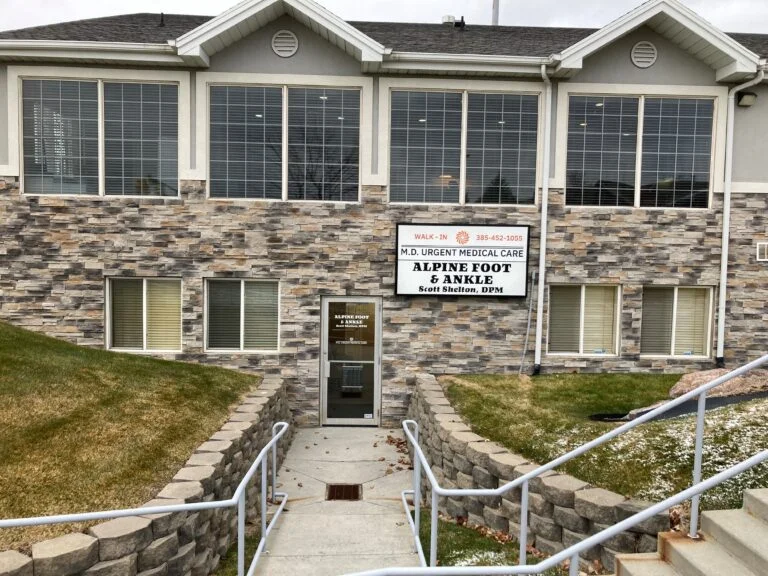



Advanced Foot and Ankle Center, Salt Lake City Holladay
999 E Murray Holladay Road, Suite 102
View Clinic
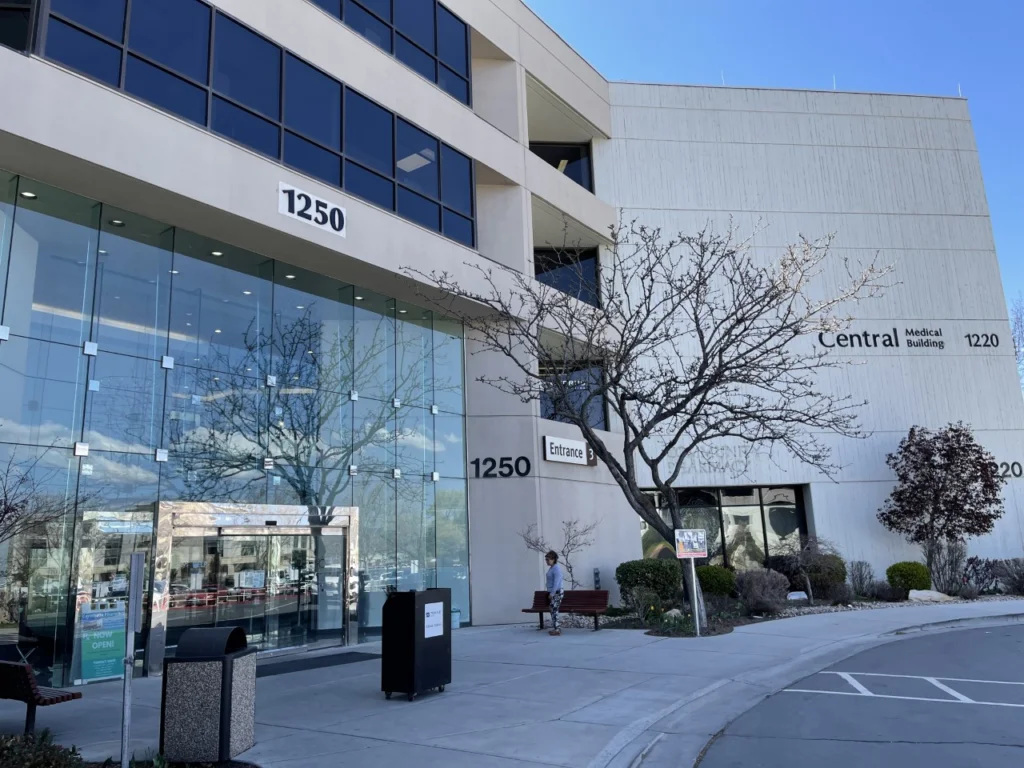
Advanced Foot and Ankle Center, Salt Lake City St Marks
1250 E 3900 South, 4th Floor, Suite 420
View Clinic



Don’t ignore leg pain or poor circulation, let’s find out what’s causing it.
We’ll help you get answers with a quick, painless PAD screening.