
Sports Medicine
Expert care to get athletes, dancers, and weekend warriors back on their feet after sports-related injuries.

What You Need To Know
Not every injury needs an ER visit, but every injury deserves a proper look. Here’s what to watch for and how our team approaches treatment.
When to See a Podiatrist for a Sports Injury
The foot and ankle involve dozens of small bones, joints, and tendons working together, which is exactly why a podiatrist’s specialized training matters after an injury. Our team at Advanced Foot and Ankle Center treats patients across every level of activity, from competitive athletes to students, performers, and weekend players.
Come in if you notice: – Moderate to severe bruising or swelling – Weakness in the leg or foot – Trouble bearing weight on the injured side – A feeling that your ankle or leg might give out – Reduced range of motion – Heel pain that persists
Even when pain feels tolerable, a suspected fracture in the foot or ankle should be checked out right away.
A note for parents: young athletes face injury risks adults don’t, including growth plate injuries, Sever’s disease, and overuse strain from packed travel-team schedules. Kids often struggle to explain what hurts, or won’t say anything at all. A limp or a subtle change in the way your child walks is worth a visit. We keep the explanation simple and get them cleared to play safely.
Injuries we regularly treat: – Fractures – Ankle sprains, including high ankle sprains – Muscle strains – Tendonitis – Plantar fasciitis – Achilles tendon injuries – Leg cramps – Shin splints – Flexor tendon injuries
Why Early Treatment Speeds Recovery
Playing through an injury tends to make it worse, not better. A strain that’s treated early is far easier to resolve than one that’s been ignored for weeks. Getting evaluated quickly means a faster, more targeted path back to your sport — and a lower chance of re-injury down the line.
What Treatment for Sports Injuries Looks Like
Every treatment plan is built around your specific injury, diagnosis, and return-to-play goals.
Passive care options: – Ice and elevation therapy – Shockwave therapy – MLS Laser Therapy – Taping and bracing for support
Active rehab focuses on: – Physical therapy tailored to the injury – Correcting the weaknesses that contributed to it – A structured, gradual return to competition
When it’s a fracture or more serious injury: – We treat the primary injury first – Then rehab the surrounding muscles and joints – Getting you back to full activity with less risk of setback
Your sport shapes your risk: – Running means repeated impact, over and over – Court sports demand quick pivots and lateral cuts – Football, soccer, and basketball combine speed, contact, and cutting – Young, growing athletes are more prone to overuse injuries and heel pain, particularly during heavy travel-team seasons
The right footwear, sensible training loads, and early attention to nagging pain are your best defense. If an injury does sideline you, our goal is to get you back safely and keep it from happening again.
Related Services
Where We Treat Sports Injuries
Find an Advanced Foot and Ankle Center clinic near you and book your visit today.

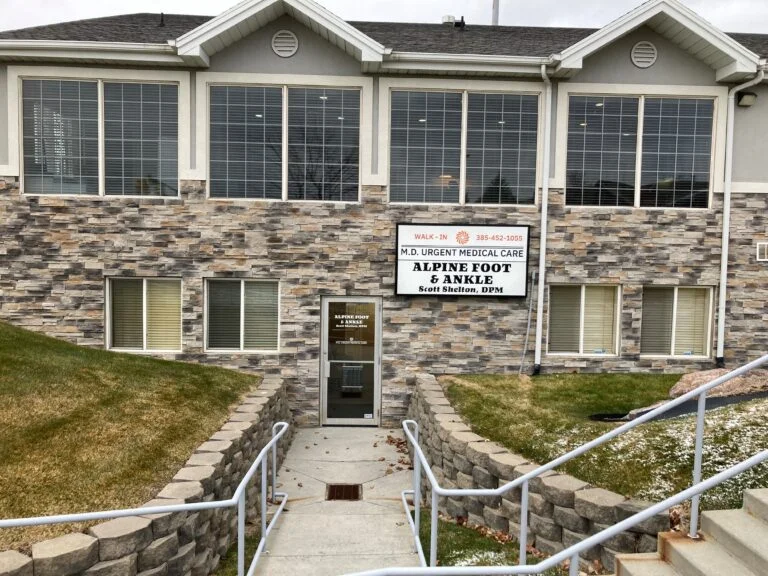

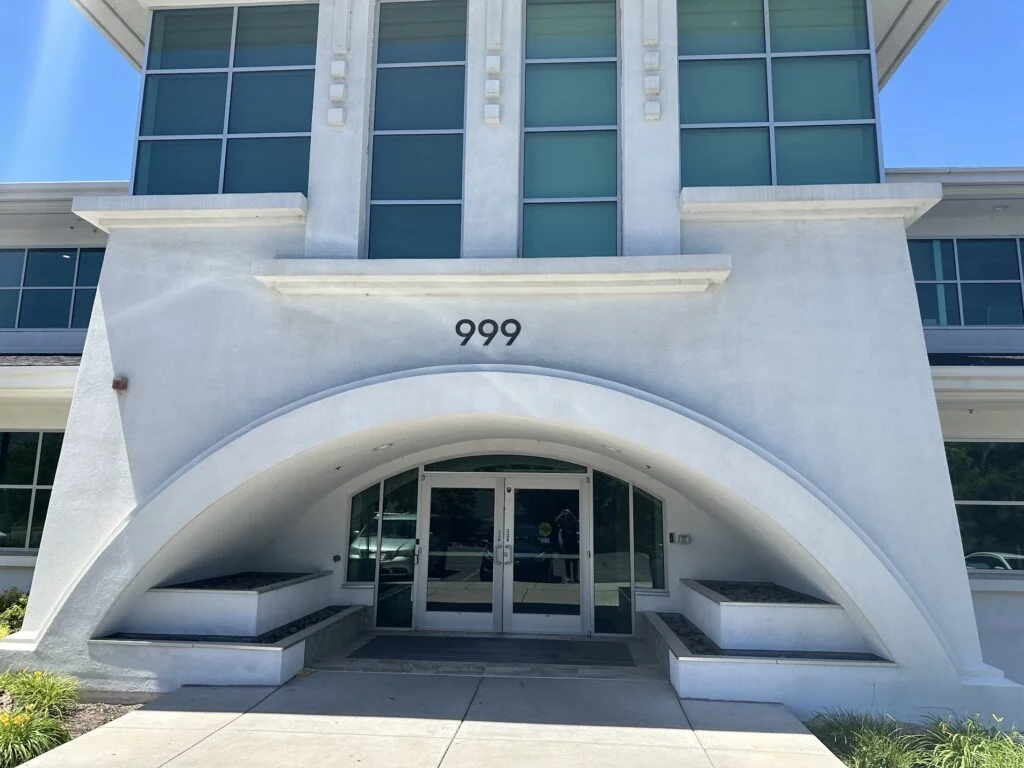
Advanced Foot and Ankle Center, Salt Lake City Holladay
999 E Murray Holladay Road, Suite 102
View Clinic
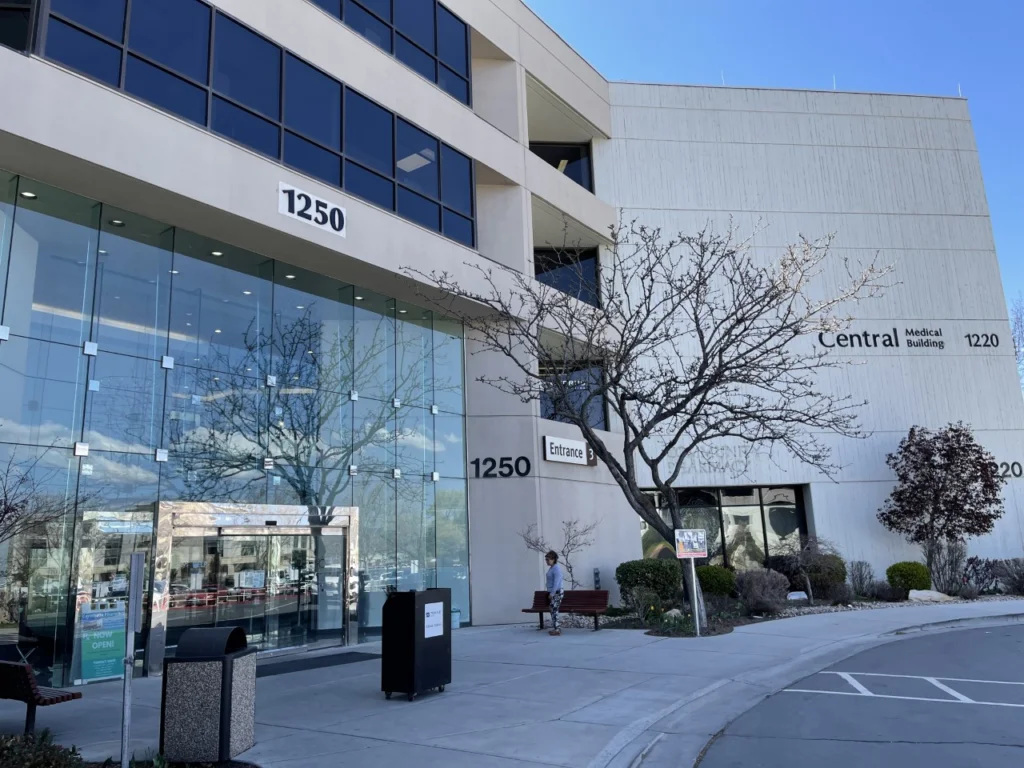
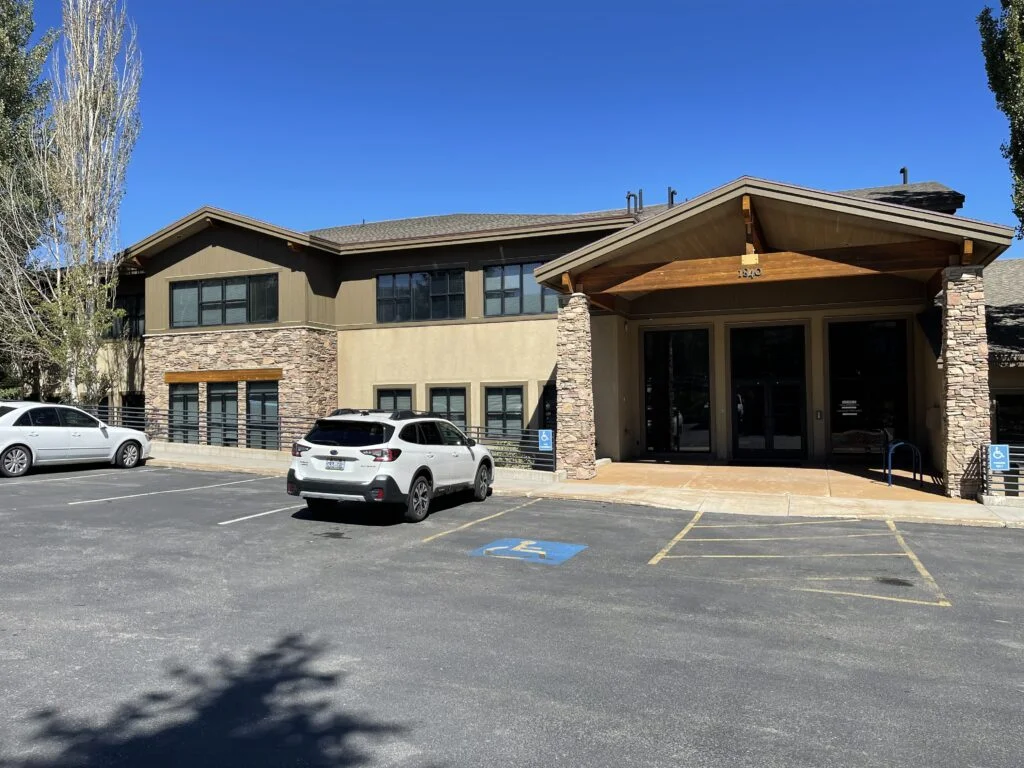
Advanced Foot and Ankle Center, Salt Lake City St Marks
1250 E 3900 South, 4th Floor, Suite 420
View Clinic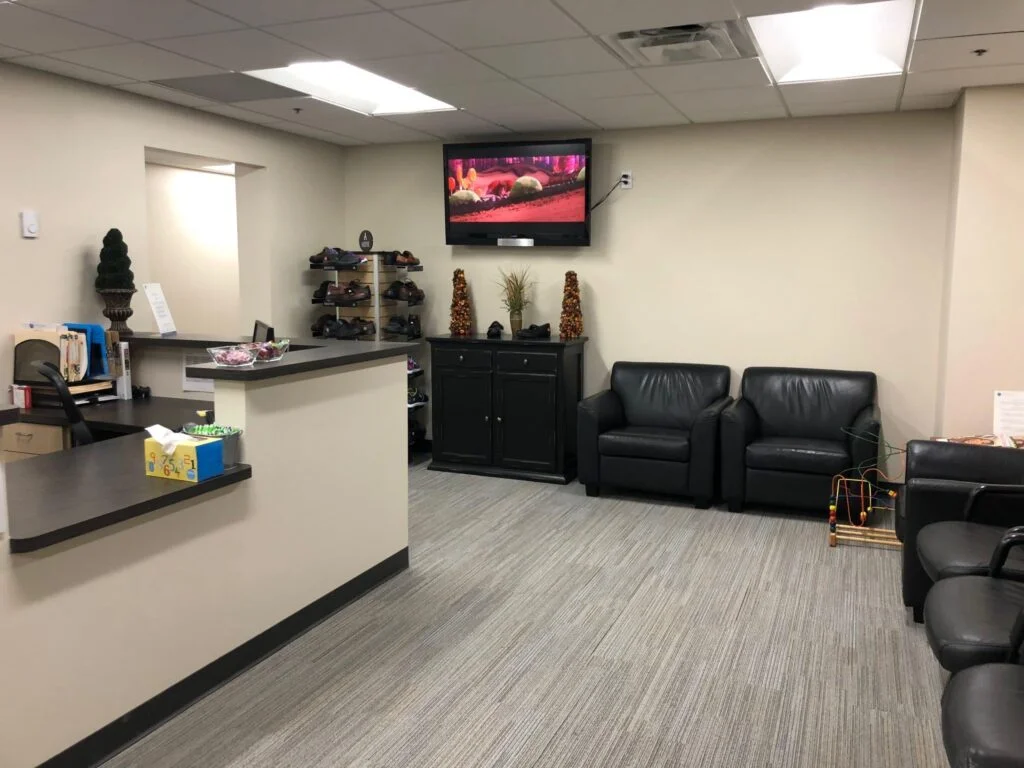


An Injury Doesn’t Have to Keep You on the Sidelines
Book online or call to schedule with a sports medicine podiatrist today.