
Wounds, Ulcers & Limb Preservation
An open wound that lingers past a couple of weeks is telling you something. Our team steps in with the diagnostics and treatment to protect your foot before the situation escalates.
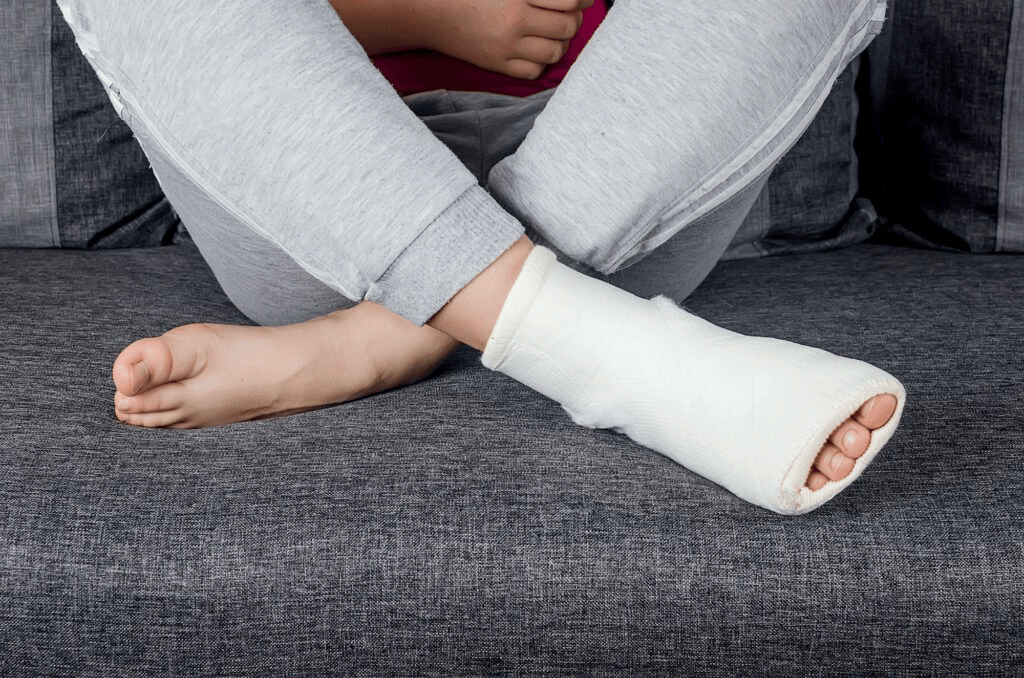
What You Need To Know
A wound that stalls in healing needs a cause identified, not just a fresh bandage.
When a Foot Wound Becomes a Limb Preservation Concern
Most cuts and scrapes close up in a week or two without much thought. When a wound on the foot or ankle doesn’t follow that timeline, it’s usually a sign of an underlying issue that a dressing on its own won’t resolve. Across Salt Lake City, Park City, Heber City, Bountiful, and West Jordan, our team regularly sees:
– Diabetic ulcers that form on pressure points, often with little to no pain – Ulcers linked to poor circulation, typically around the ankle or lower leg – Surgical or injury sites that have reopened or refuse to fully close – Pressure-related sores from casts, braces, or extended time off your feet – Any foot wound still open after two weeks with no clear improvement
Living at altitude and staying active means many of our patients are hikers, skiers, and cyclists managing calluses, blisters, or friction wounds from gear and terrain. What seems like a minor irritation from a boot or binding can turn into something more serious if it’s ignored through another training block or ski season.
For patients managing diabetes, reduced sensation can mean a wound goes unnoticed until infection has already set in. We build daily self-check habits into every visit so problems get caught while they’re still small.
For older adults and anyone with limited mobility, thinner skin and slower circulation mean a wound that looks manageable on day one can look very different a week later. We’d rather see it early than after it’s changed.
Same-day appointments are typically available when a wound shows spreading redness, drainage, fever, or rapid change.
Protecting Your Feet With Diabetes
Learn why proactive diabetic foot care matters and how regular evaluation can help identify concerns early and protect long-term foot health.
What Treatment for Wounds and Ulcers Looks Like
There are three things every wound plan has to solve for: infection, pressure, and whatever’s slowing healing in the background.
Solving for infection: – Debridement to remove dead or infected tissue – Antibiotics when infection is confirmed – Labs or imaging when a deeper infection is suspected
Solving for pressure: – Offloading boots or custom padding while the wound is open – Dressings matched to drainage level and tissue type – Custom orthotics or footwear once it’s closed, to keep pressure off that spot going forward
Solving for what’s slowing healing: – Circulation and sensation testing to rule out vascular or nerve involvement – Coordination with a vascular specialist when poor circulation is the root cause – Surgical debridement or repair if conservative steps aren’t enough
Keeping it solved: – Scheduled follow-ups to track healing and adjust course – Routine diabetic foot exams to catch the next issue before it starts – Straightforward guidance on what to watch for between visits
Ignore any one of those three factors and the wound tends to come back, or never fully closes. Address all three, and most heal on schedule.
Related Services
Where We Treat Wounds and Ulcers
Find an Advanced Foot and Ankle Center location near you in Salt Lake City, Park City, Heber City, Bountiful, Highland, Sandy, Provo, or West Jordan.
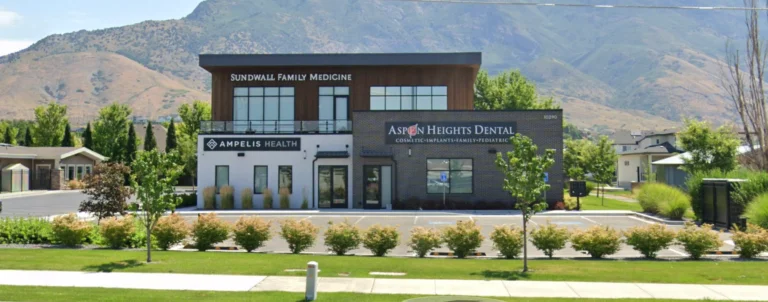
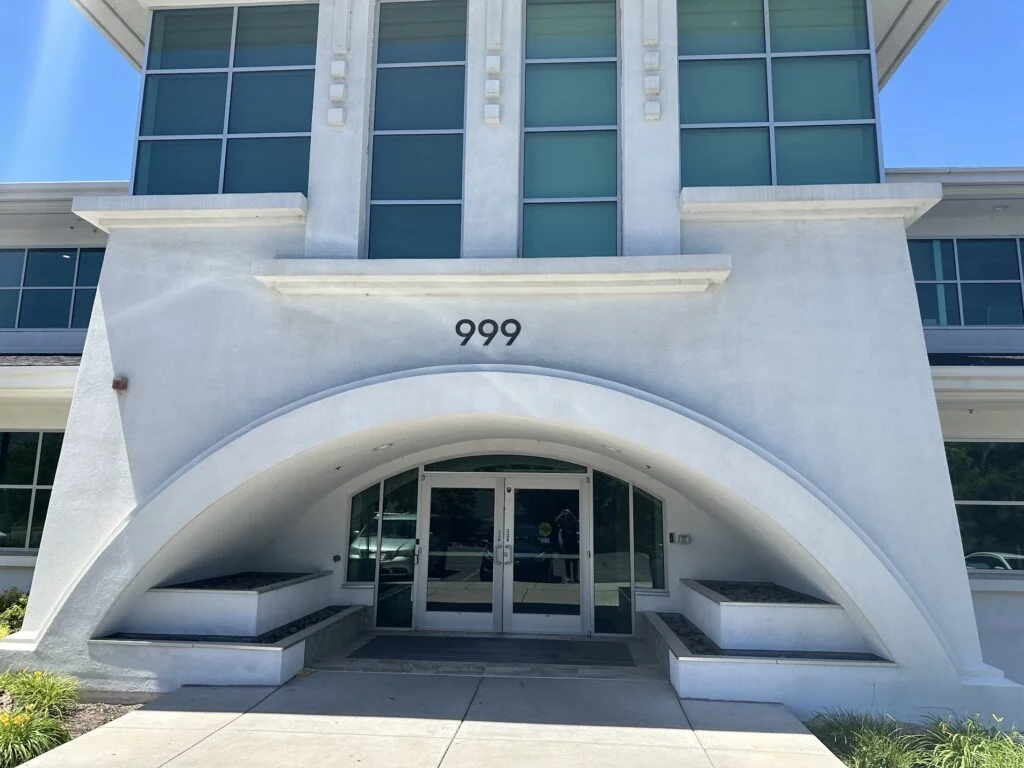
Advanced Foot and Ankle Center, Salt Lake City Holladay
999 E Murray Holladay Road, Suite 102
View Clinic
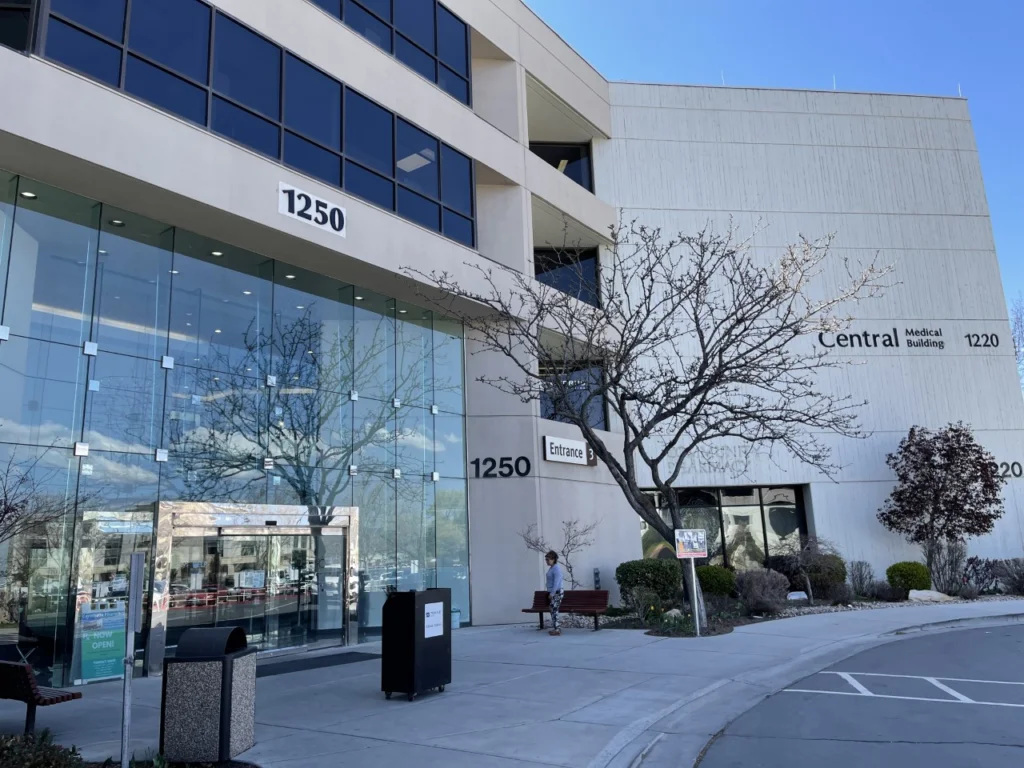
Advanced Foot and Ankle Center, Salt Lake City St Marks
1250 E 3900 South, 4th Floor, Suite 420
View Clinic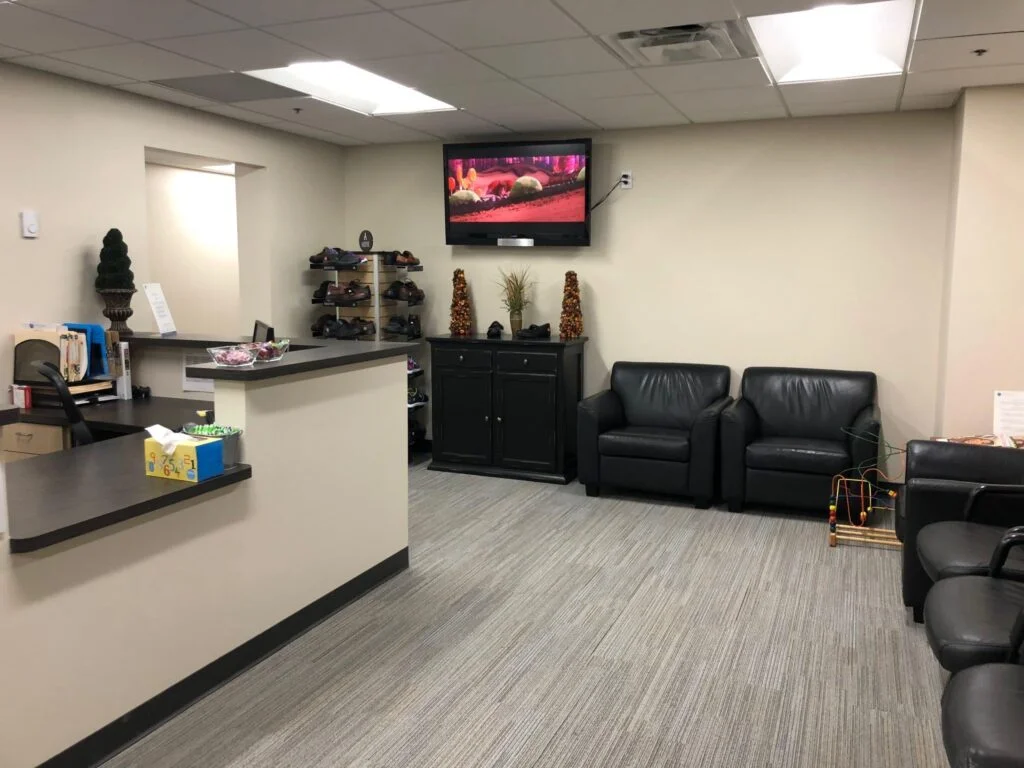


Don’t Let a Wound Run Its Own Course
The earlier a non-healing wound is evaluated, the simpler it is to treat.