
Plantar Fasciitis and Heel Pain Relief
Sharp heel pain with your first steps in the morning? Our podiatry team can help you get back on your feet.

What You Need To Know
Understanding your heel pain is the first step toward finding lasting relief.
Understanding Plantar Fasciitis and Heel Pain
The plantar fascia is a band of tissue on the bottom of your foot connecting your heels and toes. It supports the foot’s arch and absorbs shock when you walk or move. But if tension and stress on the plantar fascia becomes too much to bear, the fascia tears and becomes inflamed, a condition called plantar fasciitis.
Many people experience some form of heel pain every day. It’s a fairly common problem, but the source of the pain could stem from a variety of causes. Heel pain is usually felt under the heel or right behind it, and this can tell us a lot about the potential causes. If you feel the most pain under the heel, the most likely culprit is plantar fasciitis. If you feel the most pain behind the heel, you may be suffering from Achilles tendinitis, a chronic condition that results from ongoing degradation of the Achilles tendon.
The symptoms of plantar fasciitis include a sharp, stabbing pain on the bottom of your foot near your heel. The pain worsens after long periods of inactivity, so most people experience the worst pain upon getting out of bed in the morning. Symptoms usually subside as you move around.
Runners have a greater risk of developing plantar fasciitis due to the extra stress running puts on their feet. You can also get plantar fasciitis if you wear unsupportive shoes, spend a lot of time on your feet, are overweight, or have structural foot problems. If your pain lasts longer than a few days, call Advanced Foot and Ankle Center for a proper diagnosis and a treatment plan tailored to your needs.
Treatment Options for Heel Pain
Plantar fasciitis and other forms of heel pain can often be treated at home. Start by resting your feet and taking the weight off the heel as much as possible. An ice pack for about 20 minutes up to three times a day can also be very helpful. Over-the-counter anti-inflammatory pain relievers like ibuprofen and naproxen may ease mild discomfort, and simple foot supports can provide added relief.
If home care isn’t helping, your podiatrist may recommend custom-fit arch support orthotics. Orthotics help distribute your weight and the pressure on your feet more evenly, which can relieve plantar fasciitis pain. Advanced Foot and Ankle Center provides on-site casting for custom orthotics, and night splints worn while sleeping help maintain a stretched position and relieve morning pain.
In some situations, our team may refer you to a physical therapist. Physical therapists can show you exercises to stretch the plantar fascia and use athletic taping techniques to better support the arch and bottom of your foot.
If conservative methods don’t relieve your symptoms, your podiatrist may recommend shock wave therapy, ultrasonic tissue repair, or steroid injections. Surgery is reserved for patients with severe pain that doesn’t respond to other treatments and involves detaching the plantar fascia from the heel bone. With the right care, most patients return to their regular activities without lingering pain.
Find Heel Pain Care at a Location Near You
Advanced Foot and Ankle Center offers heel pain treatment at convenient locations across Utah.

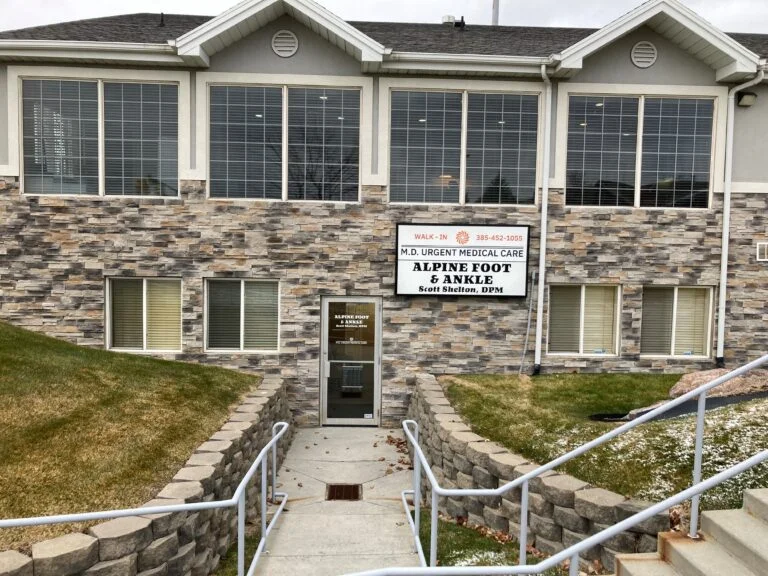



Advanced Foot and Ankle Center, Salt Lake City Holladay
999 E Murray Holladay Road, Suite 102
View Clinic
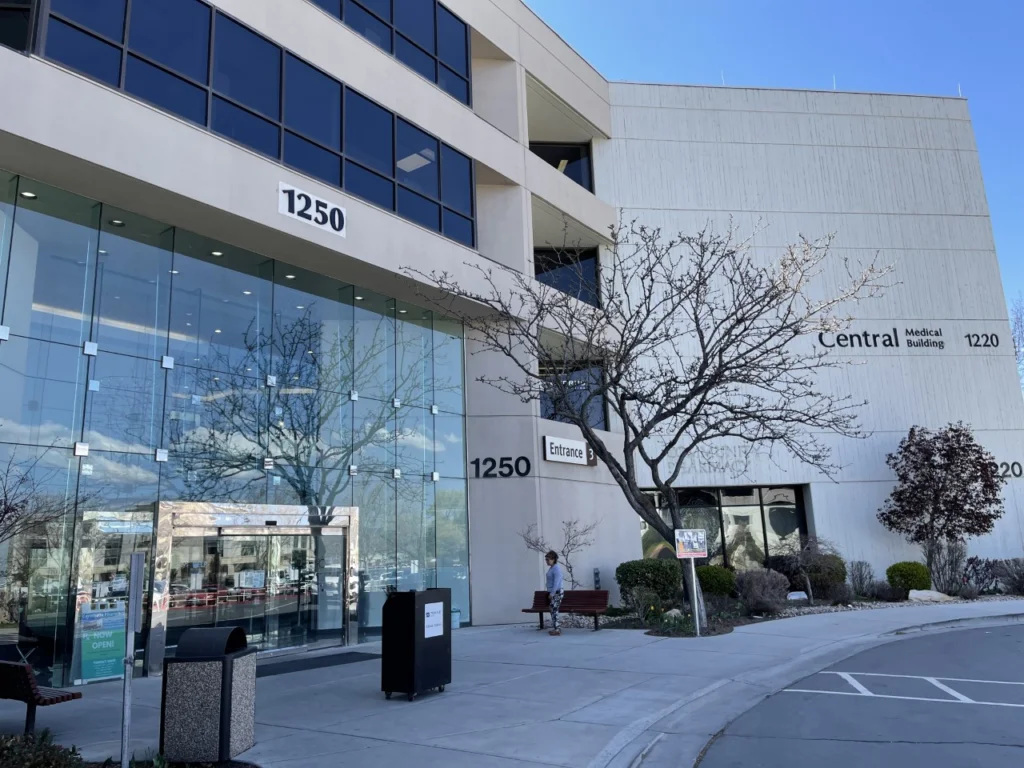
Advanced Foot and Ankle Center, Salt Lake City St Marks
1250 E 3900 South, 4th Floor, Suite 420
View Clinic



You don’t have to live with heel pain, let’s get you moving comfortably again.
Call us or book online today, we’re ready to help you find lasting relief.