
Relief for Chronic Pain and Conditions
Lasting foot pain deserves a real answer. Our podiatrists diagnose the source and build a plan that gets you moving.

What You Need To Know
Understanding chronic foot pain is the first step toward finding lasting relief.
Understanding Chronic Foot Pain
Foot pain is discomfort that occurs in any part of your foot, like the ball, heel, or arch. Almost everyone experiences foot pain on occasion, but when it lingers or interferes with your daily routine, it becomes a chronic problem worth addressing. There are dozens of bones, joints, and soft tissues in your feet that are susceptible to wear-and-tear, disease, or injury.
At Advanced Foot and Ankle Center, our podiatrists treat a wide range of causes of chronic foot pain, including Achilles tendon injuries, bunions, Charcot foot, diabetic feet, flat feet, foot fungus, foot ulcers, gout, hammertoe, ingrown toenails, neuromas, neuropathy, plantar fasciitis, plantar warts, peripheral artery disease, and sprained ankles. You might also experience foot pain as the result of a sports injury, like a strain or a ruptured tendon.
One common source of chronic pain is a neuroma, a benign nerve tumor that forms in the ball of your foot. It occurs when the tissue around your nerves thickens and hardens, resulting in sharp, burning pain. Neuromas affect people of all ages, but they are especially common in people who wear tight or high-heeled shoes.
If you regularly experience foot pain that does not respond to at-home treatments like ice and rest, or your symptoms get worse and interfere with your daily routine, it is important to seek professional help. Make an appointment at Advanced Foot and Ankle Center to get an accurate diagnosis and start on a treatment plan built around your needs.
Diagnosis and Treatment Options
To diagnose the source of your chronic foot pain, your Advanced Foot and Ankle Center provider reviews your health history and asks about your symptoms, including when they first started and if specific activities, like exercise or standing for long periods, make them worse. Your provider examines your feet and ankles, gently pressing on the heels and balls of your feet to pinpoint areas of swelling and sensitivity. They also assess your strength, reflexes, and range of motion, and may order X-rays, an MRI, or ultrasound to rule out fractures or soft tissue injuries.
Treatment depends on your age, the severity of your symptoms, and their effect on your mobility. Whenever possible, we recommend conservative options first, such as custom orthotics, physical therapy, maintaining a healthy weight, wearing comfortable shoes, resting and icing your feet, and taking over-the-counter medication.
For conditions like Morton’s neuroma, additional options include padding to support the foot, switching to better-fitting footwear, and corticosteroid injections to reduce pain and inflammation.
If conservative measures do not provide adequate relief, surgery may be recommended. Advanced Foot and Ankle Center regularly performs foot and ankle surgery using minimally invasive techniques, which allow for less bleeding, fewer complications, and quicker recovery times. With early treatment, most chronic foot conditions are highly manageable, and many patients return to full activity without ongoing discomfort.
Related Services
Find Chronic Pain Care at a Location Near You
Advanced Foot and Ankle Center has multiple offices to make care convenient for you.

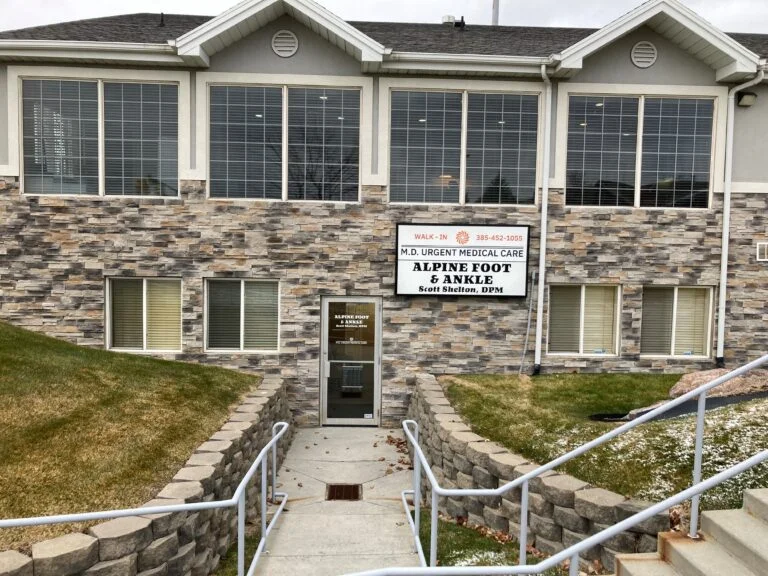



Advanced Foot and Ankle Center, Salt Lake City Holladay
999 E Murray Holladay Road, Suite 102
View Clinic

Advanced Foot and Ankle Center, Salt Lake City St Marks
1250 E 3900 South, 4th Floor, Suite 420
View Clinic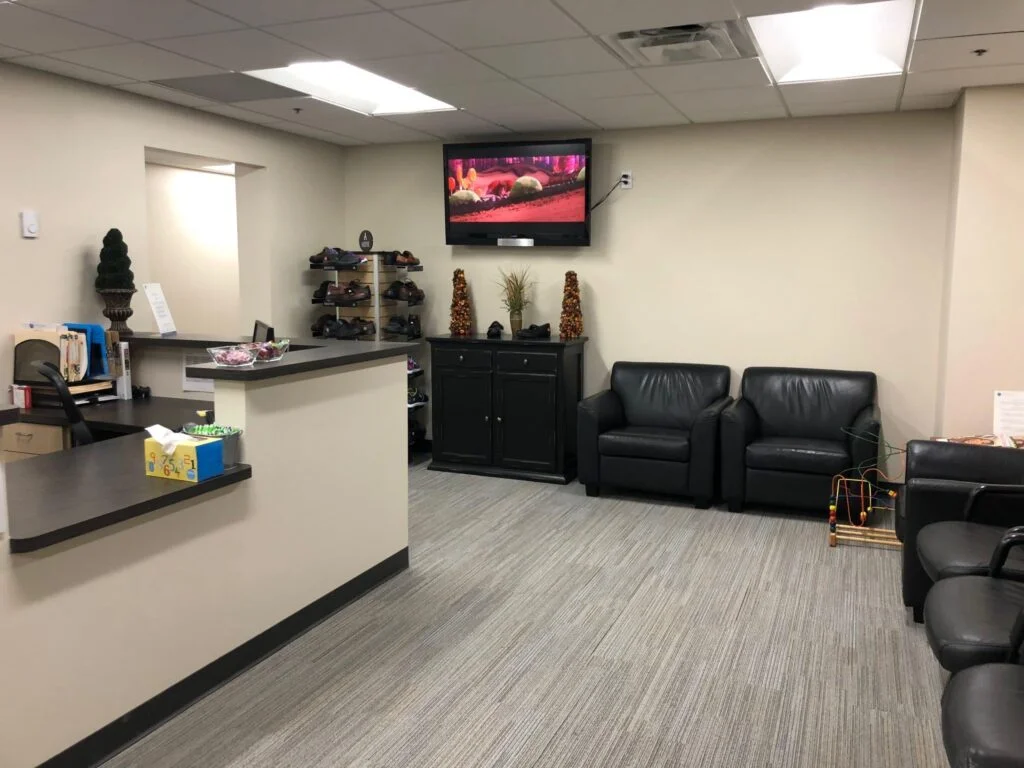



Don’t let chronic foot pain hold you back any longer, let’s find a solution together.
Our team’s ready to help you feel better. Book your visit and we’ll take it from there.