
Diabetic Foot Care for Healthier Feet
Protect your mobility and prevent serious complications with attentive, specialized foot care for diabetic patients.
What You Need To Know
Understanding how diabetes affects your feet is the first step toward protecting them.
Understanding Diabetic Foot Health
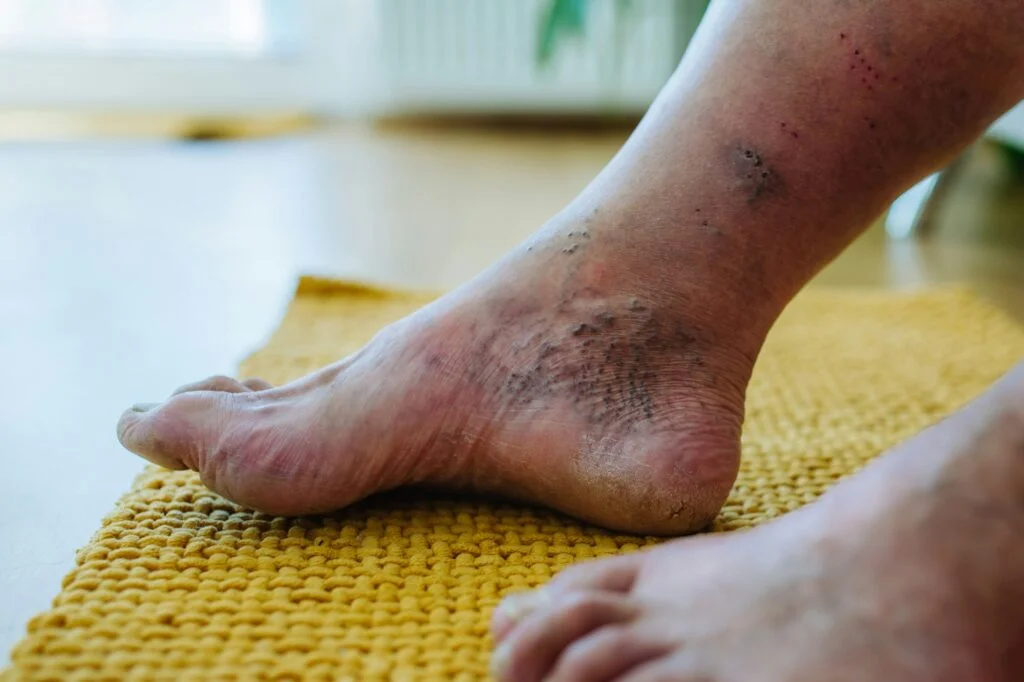
Diabetic feet issues can limit your mobility, bring significant pain, and eventually lead to amputation if not properly treated. Patients with diabetes have extra risks of infections and injuries of their feet than other patients. Extra foot care and attention are required for these patients.
Diabetes is a chronic disease that prevents your body from converting glucose into energy. It also causes widespread problems, including limiting circulation and damaging your peripheral nervous system. Diabetes often causes feet to swell, which results in constricted blood flow to the feet.
One of the primary ways diabetes impacts foot health is by disrupting pain signals between your brain and the nerves in your feet. This means you can sustain cuts, abrasions, or ulcers without realizing it. A diabetic’s feet can become numb and tingly, and sometimes the numbness is so great that a patient feels no pain from a cut or infection, which can lead to postponed treatment.
Limited circulation also inhibits your body’s natural healing ability, allowing even minor sores and scrapes to quickly develop into serious wounds. Left untreated, a simple foot sore can escalate into the need for foot amputation.
Schedule a diagnostic exam any time you notice changes in the skin on your feet, a decline in foot sensations, or unusual tingling, burning, or stinging. Our certified podiatrists have extensive experience in diabetic foot care and are ready to help at the first sign of a problem.
Prevention, Self-Care, and Treatment
Periodic diabetic foot care visits allow your doctor to check your feet for signs of damage. These visits are customized to meet your specific needs. Treating ingrown toenails, trimming nails, or removing thickened skin are commonly performed services.
If a wound is present, your podiatrist will carefully clean the area, remove damaged tissue, and bandage the affected skin. A process called offloading may be needed to change the distribution of weight on the bottom of your foot, giving the wound a chance to heal without ongoing pressure.
Besides regular self-exams and office visits, there are other ways diabetic patients can care for their feet at home:
Manage your blood glucose level. Exercise regularly. Invest in diabetic specific footwear. Keep your feet clean with daily washing and drying. Always wear shoes and socks. Keep toenails trimmed short. Avoid extreme temperatures such as hot pavement, electric blankets, or sandals in cold weather. Elevate your feet when sitting and wiggle your toes often to keep blood flowing.
Daily foot inspections help you catch sores, blisters, or cuts in the early stages when treatment is most effective. Watch for swelling, lesions, bruising, abnormal coloring, or growths, and contact us right away if you notice any of these changes so we can evaluate you promptly.
Related Services
Diabetic Foot Care Near You
Find convenient diabetic foot care at one of our locations across the Salt Lake City area.





Advanced Foot and Ankle Center, Salt Lake City Holladay
999 E Murray Holladay Road, Suite 102
View Clinic

Advanced Foot and Ankle Center, Salt Lake City St Marks
1250 E 3900 South, 4th Floor, Suite 420
View Clinic



Don’t wait to have a foot concern checked, we’re here to help protect your health.
Same or next day appointments are often available, so you won’t wait long.