Bunion Surgery for Lasting Correction
Advanced surgical options that address the root cause of bunions, restore alignment, and help you get back to activity.
What You Need to Know About Bunions
Understanding what bunions really are and when surgery becomes the right choice.
Understanding Bunions and Surgical Care
For most, a bunion is defined as a prominence or ‘bump’ near the big toe joint. When seen with the naked eye, however, we don’t get the whole story. The bump that develops over time is the result of the slow drifting of a bone in the foot that in essence causes a dislocation of the big toe joint. The bump is, in fact, normal bone (not extra) in most cases which has moved out of position.
Bunions (hallux valgus) form when the big toe drifts toward the lesser toes while the long bone it connects to drifts the opposite way. Common symptoms include redness or swelling at the base of your big toe, limited movement in the big toe, corns or calluses where your first and second toes touch, and foot pain that can be steady or intermittent.
The cause of a bunion is biomechanical. The structure of your foot is determined by genetics, so many people with bunion pain inherited a predisposition to develop one. People with rheumatoid arthritis often develop bunions, and foot injuries or stress can contribute as well. Bunions are not caused by shoes, though certain shoes can irritate them.
Having a bunion does not by itself require surgery. Bunion surgery is elective, meaning it is your choice whether surgery is the right solution. If your bunion is painful or progressing, a consultation with a podiatrist will give you a clear picture of your options and the plan that best fits you.
Explore Bunion Surgery Options
Learn more about today’s bunion surgery options and see how different approaches can address alignment, discomfort, and mobility based on each patient’s needs.
Surgical Options and Recovery
Correcting a bunion has evolved over decades. Older approaches simply removed the bony bump, which could provide short-term relief but did not address the underlying instability. Osteotomy procedures then shifted the affected bone and secured it with screws, pins, or plates, improving alignment in one or two dimensions. Because bunions often involve abnormalities in multiple planes, 3D bunion correction was developed to reposition the bone more completely.
Lapiplasty, also referred to as 3D Bunion Correction Surgery, addresses the biomechanical cause of bunions by moving a joint of the foot back to normal alignment using titanium plates for support. Lapifuse is another system used today. Scarfplasty, first developed in 1985, is commonly performed for moderate to severe bunions and allows correction in multiple planes with immediate weight bearing tolerated.
For patients who prefer to avoid permanent metal hardware, OSSIOfiber is an all-natural, metal-free implant built with natural mineral fibers and polymer. It provides stability during healing and is gradually replaced by your own bone over 18 to 24 months.
Recovery depends on the procedure and system used. With Lapiplasty, weight bearing can begin as early as one week after surgery, and most patients return to unrestricted activities within three to four months. Physical therapy plays an important role in reducing stiffness and helping you return to your regular routine with confidence.
Find Bunion Surgery Care Near You
Find a convenient Advanced Foot and Ankle Center location to schedule your consultation.



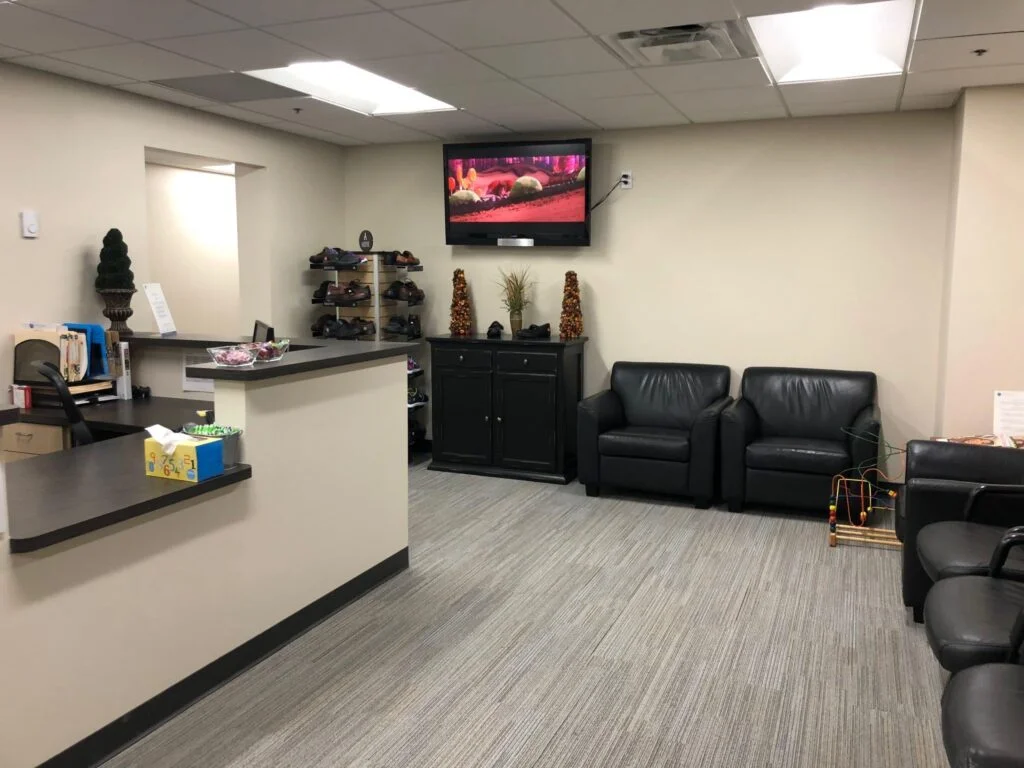
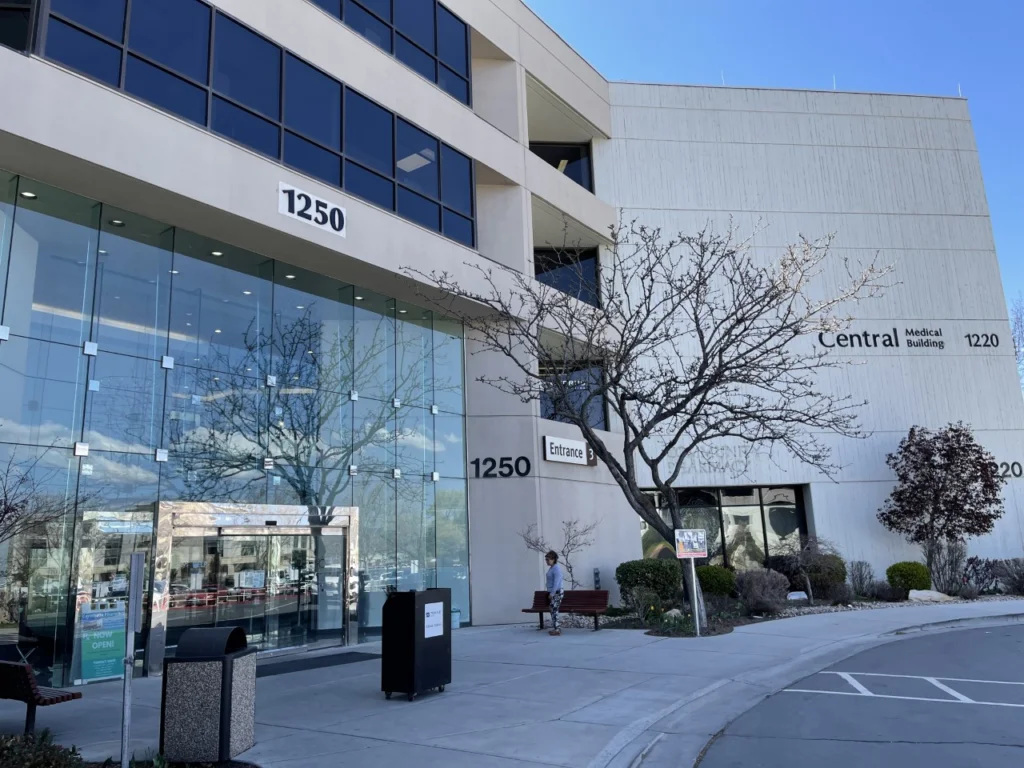
Advanced Foot and Ankle Center, Salt Lake City St Marks
1250 E 3900 South, 4th Floor, Suite 420
View Clinic
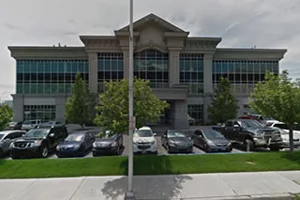


Advanced Foot and Ankle Center, Salt Lake City Holladay
999 E Murray Holladay Road, Suite 102
View Clinic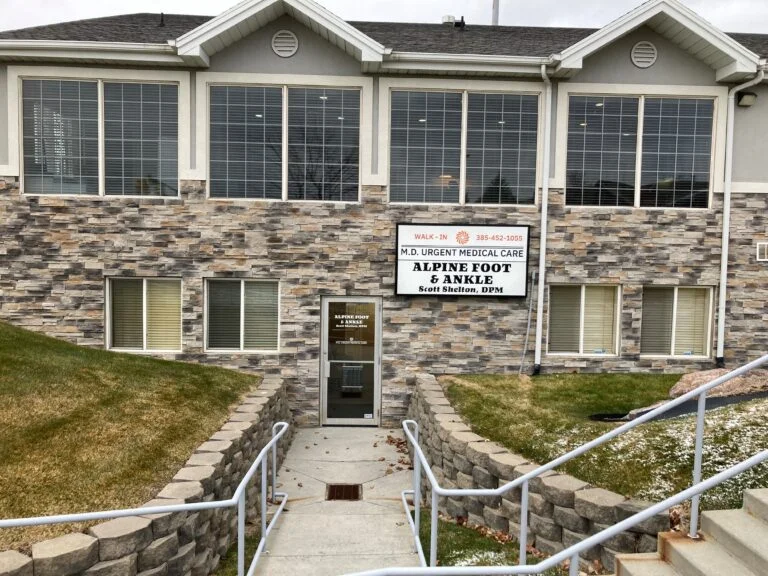

Don’t let a painful bunion keep you from the activities and shoes you love.
We’ll help you understand your options and find the plan that’s right for you.