
Plantar Plate Repair for Toe Pain Relief
Targeted diagnosis and treatment for plantar plate tears, helping you walk comfortably and restore toe stability.

What You Need To Know
Understanding plantar plate tears and how we diagnose and treat them.
Understanding Plantar Plate Tears
The plantar plate is a structure located on the ball of the foot and provides stability to the toes. An injury to the plantar plate affects the ligaments of a toe joint, most often the second toe. Without treatment, a plantar plate tear can become a serious condition where a joint becomes dislocated. Degenerative joint disease or arthritis can also happen without medical intervention.
If your life is being negatively impacted by toe pain or misalignment (a toe leaning one way or the other, or a hammertoe), you may be suffering from a plantar plate tear. Patients often describe the pain like they are walking on a stone or on their bones, and can even have nerve pain associated with it.
Symptoms that indicate you may have a plantar plate tear include sharp pain or a dull ache in the ball of the foot, the feeling like you are walking on a stone or on your bones, toe misalignment where a toe visually drifts toward or away from the big toe, swelling or redness at the ball of the foot, hammertoes or claw toes, a tearing sensation, nerve pain or numbness, and limited flexibility or weakness in the affected toe.
To properly diagnose a plantar plate tear, X-rays will be taken in a weight-bearing position. In some instances, a specific MRI is necessary for further evaluation to find the tear. If you are experiencing any of these symptoms, it is time to make an appointment with one of our board-certified podiatrists so we can explain the diagnosis process and start you on the right treatment path.
Treatment, Prevention, and Recovery
If caught early enough, a plantar plate tear may be treated with rest, physical therapy, and ice therapy. Strengthening exercises can help prevent the tear from worsening. Shoe gear modifications and custom orthotics are also highly recommended, as they can help relieve pressure, hold the plantar plate in place, and promote proper foot alignment. All of our orthotics are electronically scanned images or physical impressions of your foot to ensure accuracy (under 1mm) and expedite handling.
Often, surgery is necessary in severe cases to alleviate pain and realign the affected toe. Depending on the severity of your tear, various surgical options are available. Multiple techniques may also be needed if there are other issues to correct, such as hammertoe or bunion deformities. To fix a torn plantar plate surgically, an incision will be made on the top of your toe or the ball of your foot. If the tear cannot be repaired, a tendon transfer will be discussed between your podiatrist and you.
Wearing proper shoes is important in preventing plantar plate tears. Custom orthotics play a vital role in maintaining and supporting proper foot structure. After any injury or trauma, evaluate your toes for signs of change, including swelling, redness, or pain.
Depending on the severity of your tear, recovery can take several weeks or months. On average, most people’s affected foot will return to normal after four to eight weeks with the right treatment plan and follow-up care.
Locations Offering Plantar Plate Repair
Find a convenient Advanced Foot and Ankle Center location near you for expert care.




Advanced Foot and Ankle Center, Salt Lake City St Marks
1250 E 3900 South, 4th Floor, Suite 420
View Clinic


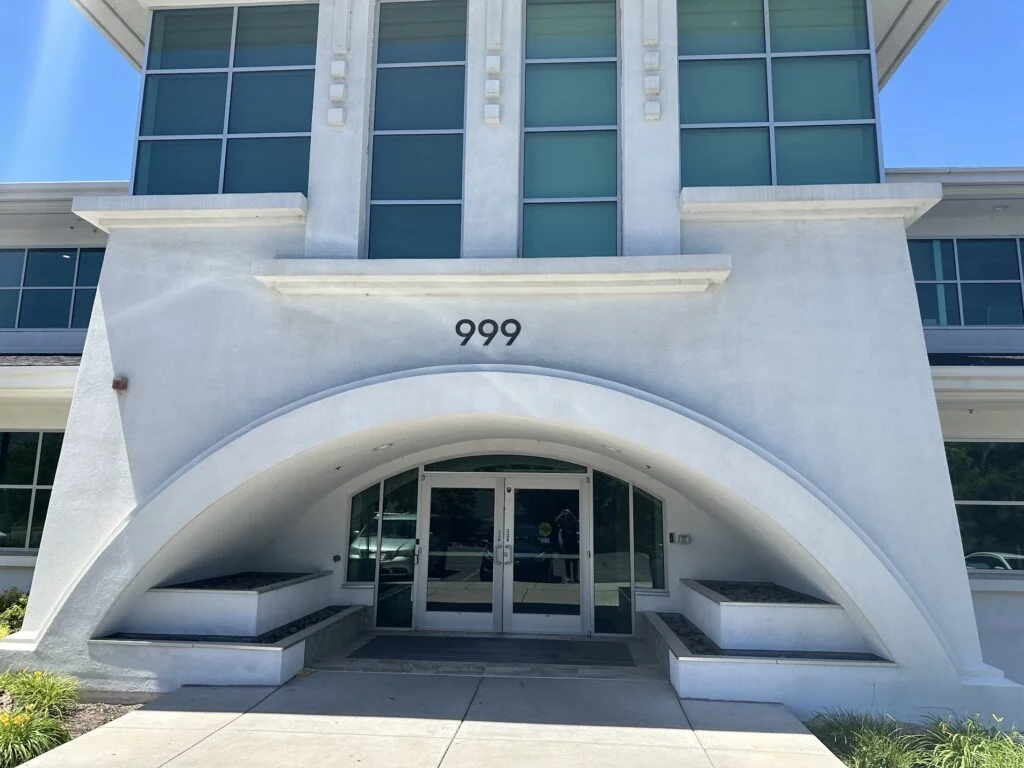
Advanced Foot and Ankle Center, Salt Lake City Holladay
999 E Murray Holladay Road, Suite 102
View Clinic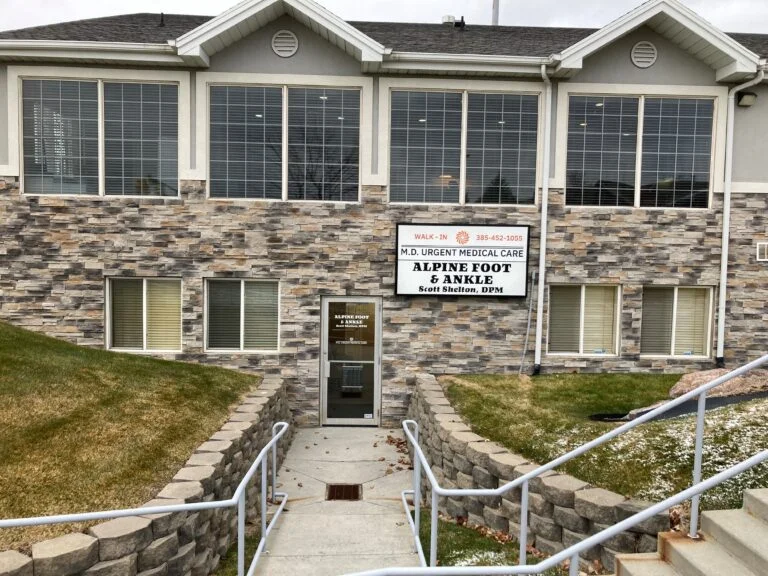

Don’t let toe pain slow you down, let’s get your plantar plate evaluated today.
We’re here to help you walk comfortably again with a plan built for you.